

Cleanrooms are essential in industries where contamination control, hygiene and environmental conditions play an important role in manufacturing and research. Pharmaceutical companies, biotechnology facilities, medical device manufacturers, electronics industries and laboratories require specialised environments designed around their operational requirements.
Cleanroom panels form an important part of these environments. They are used to construct walls, partitions and ceilings, helping create an enclosed space that can be cleaned, maintained and integrated with cleanroom air-handling systems.
When looking for clean room panel manufacturers in India, it is important to evaluate panel materials, surface finishes, insulation options, modular design, installation requirements and compatibility with the complete cleanroom system.
This guide explains the types of cleanroom panels, the materials commonly used, their applications and the factors to consider when selecting a manufacturer.
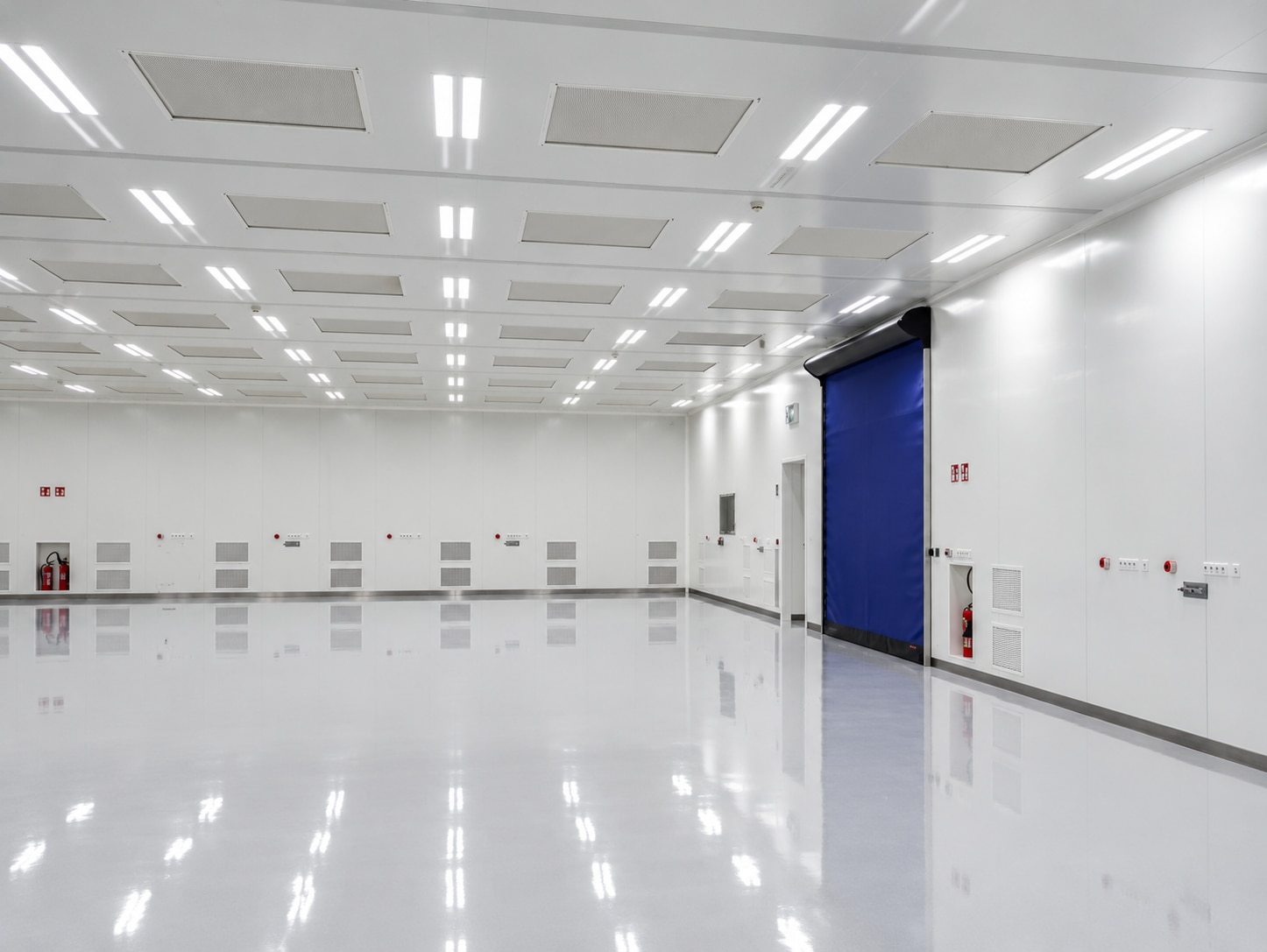
What Are Cleanroom Panels?
Cleanroom panels are modular construction components used to create walls, partitions and ceiling systems in controlled environments. They typically consist of external facing sheets and an internal core selected according to the project's requirements.
Unlike conventional masonry construction, modular cleanroom panels can provide flexibility in installation, layout planning and future modifications, depending on the system design.
A complete cleanroom enclosure may include:
Modular cleanroom wall panels
Cleanroom ceiling panels
Cleanroom partitions
Cleanroom doors and viewing panels
Openings for lighting, utilities and air-handling equipment
These components need to be coordinated with the cleanroom's HVAC system, air filtration, pressure-control strategy and other building services.
Types of Cleanroom Panels
1. Cleanroom Wall Panels
Cleanroom wall panels form the internal walls of a controlled environment. Their construction and finish should suit the facility's cleanliness requirements, cleaning procedures and intended use.
They are commonly used in pharmaceutical production areas, laboratories, biotechnology facilities and medical device manufacturing units.
When selecting wall panels, consider the external facing material, insulation core, panel thickness, joint design and compatibility with the proposed cleanroom layout.
2. Cleanroom Ceiling Panels
Cleanroom ceiling panels form the overhead enclosure of a cleanroom. Their design must account for the installation of lighting, air filtration equipment, service openings and maintenance access.
Depending on the project, ceiling systems may be designed for non-walkable or walkable applications. Structural requirements and permitted access should be established during engineering and design.
3. Modular Cleanroom Partition Panels
Modular partitions divide a cleanroom into designated operational areas. They can support different room layouts and help project teams organise production, material handling and other activities.
A modular system can also make future changes easier when the panel design allows individual sections to be installed or removed without unnecessarily disturbing neighbouring panels.
4. Cleanroom View Panels
Cleanroom view panels are windows integrated into cleanroom walls or partitions. They allow visibility between adjoining areas while maintaining the intended enclosure.
Depending on the design, options may include framed or frameless construction and single-glazed or double-glazed configurations. Materials and finishes should be selected according to the project's hygiene, durability and maintenance requirements.
DYNA EPC provides cleanroom view panel solutions. Learn more on the official DYNA EPC website.
Materials Used in Cleanroom Panels
The appropriate panel material depends on insulation requirements, cleaning procedures, durability, fire-performance criteria and project specifications.
PUF (Polyurethane Foam) Panels
PUF-core panels are used where thermal insulation is required. Their suitability depends on the core specification, external facing, panel construction and intended operating conditions.
PIR (Polyisocyanurate) Panels
PIR-core panels may be selected for projects requiring thermal insulation and specific fire-performance characteristics. The actual performance should be confirmed through the manufacturer's technical documentation and relevant test reports.
Rockwool Panels
Rockwool-core panels may be considered where fire resistance and acoustic insulation are important project requirements. The performance of the complete panel assembly depends on its design, construction and tested specifications.
External Facing Materials
Cleanroom panel facings may use materials such as pre-coated or powder-coated galvanised steel, aluminium or stainless steel, depending on the selected system.
The facing material and surface finish should be evaluated for cleanability, corrosion resistance, durability and compatibility with the cleaning agents used in the facility.
Progressive and Non-Progressive Cleanroom Panel Systems
Cleanroom panel systems can be designed according to the installation method and the flexibility required for future changes.
Progressive design: The installation sequence follows the system's specified assembly method. Modifications may require consideration of adjoining panels and the overall layout.
Non-progressive design: A suitably engineered system can allow individual panels to be installed or removed without affecting neighbouring panels. This may help when a facility requires future expansion, maintenance or layout modifications.
The appropriate design depends on the project, installation requirements and the manufacturer's system. These terms should be confirmed against the specific panel design before selection.
Applications of Cleanroom Panels in India
Cleanroom panels are used across several industries where controlled environments are required.
Pharmaceutical Manufacturing
Pharmaceutical facilities use cleanroom enclosures for selected manufacturing, processing, packaging and laboratory areas. Panel specifications should support the facility's hygiene and regulatory requirements.
Biotechnology and Research Laboratories
Laboratories may require modular partitions and specialised enclosures to accommodate equipment, workflows and environmental controls.
Medical Device Manufacturing
Cleanroom panels can be used to construct controlled production and assembly areas for medical devices, depending on the manufacturing process.
Electronics and Semiconductor Manufacturing
Certain electronics manufacturing processes require controlled environments to reduce the risk of particle contamination affecting sensitive components.
Healthcare and Hospitals
Selected healthcare applications, including specialised laboratories and operating environments, may use cleanroom construction systems designed for the required level of environmental control.
Food and Other Specialised Industries
Cleanable panel systems may also be used in selected food-processing and other industrial environments where hygiene and controlled conditions are important.
The cleanroom classification and panel specification must be determined according to the actual process and facility requirements.
How to Choose a Clean Room Panel Manufacturer in India
Selecting a manufacturer involves more than comparing prices. Consider the following factors before making a decision.
1. Product Range
Check whether the manufacturer provides the required wall panels, ceiling panels, partitions, view panels and compatible cleanroom components.
2. Material and Insulation Options
Review the available PUF, PIR and Rockwool core options, along with external facing materials and surface finishes. Confirm the specifications against the intended application.
3. Modular Design and Customisation
Evaluate whether the system can accommodate the room dimensions, equipment openings, service requirements and potential future modifications.
4. Integration with HVAC and Filtration
Cleanroom panels are only one part of the complete facility. Their design must be coordinated with air filtration, HVAC, lighting, doors, utilities and other building services.
5. Installation and Project Coordination
Consider the manufacturer's ability to support technical coordination, installation planning and integration with other cleanroom systems, according to the agreed project scope.
6. Technical Documentation
Request relevant drawings, material specifications, product data and applicable test reports. Verify compliance with the standards and requirements relevant to the project.
7. After-Sales Support
Understand the available maintenance, technical support and replacement arrangements before finalising the supplier.
DYNA EPC: Cleanroom Panel Solutions in India
DYNA EPC provides cleanroom-related engineering solutions and modular cleanroom components for facilities that require controlled environments.
Its cleanroom panel offering includes modular wall and ceiling panels designed around progressive and non-progressive installation approaches. The company's cleanroom partition solutions offer material options that include pre-coated or powder-coated galvanised steel, aluminium and stainless steel facings, with PUF, PIR and Rockwool insulation options available according to the product specification.
DYNA EPC also offers cleanroom view panels, with framed and frameless configurations and glazing options described on its website.
For cleanroom projects, the panel system should be selected as part of an integrated design that considers the facility layout, environmental requirements, air filtration and other building services.
To explore cleanroom products and engineering solutions, visit the official website:
DYNA EPC: https://www.dynaepc.com/
Cleanroom partitions: https://www.dynaepc.com/delhi/products/cleanroom-partitions/28
Cleanroom view panels: https://www.dynaepc.com/products/cleanroom-view-panels/67
Frequently Asked Questions
1. What are cleanroom panels used for?
Cleanroom panels are used to construct walls, partitions and ceilings in controlled environments. They form part of the enclosure and must be coordinated with the facility's air filtration and environmental-control systems.
2. Which materials are used in cleanroom panels?
Common insulation-core options include PUF, PIR and Rockwool. External facings may include pre-coated or powder-coated galvanised steel, aluminium and stainless steel. The right combination depends on the project specifications.
3. Which industries use cleanroom panels in India?
Applications include pharmaceutical manufacturing, biotechnology, medical devices, electronics, healthcare, research laboratories and selected food-processing facilities.
4. How do I select a cleanroom panel manufacturer in India?
Compare the manufacturer's product range, material options, modular design, technical documentation, installation support and experience with projects similar to yours.
5. Are cleanroom panels available in different thicknesses?
Panel thicknesses and configurations vary by manufacturer and product system. Confirm the available options and required performance with the supplier during project design.
6. What is the difference between progressive and non-progressive cleanroom panels?
The terms describe different approaches to panel installation and modification. A non-progressive system may allow an individual panel to be removed or installed without disturbing neighbouring panels, depending on the design.
7. Do cleanroom panels alone ensure cleanroom compliance?
No. Overall performance depends on the complete facility, including HVAC, air filtration, airflow, pressure control, construction details, operating procedures and validation where required.
8. Can cleanroom panels be customised?
Customisation depends on the manufacturer's system. Dimensions, facings, insulation, openings, finishes and integration requirements should be confirmed during technical planning.
Conclusion
Choosing the right clean room panel manufacturer in India is an important step in developing a controlled environment. Panel materials, surface finishes, modular design, installation requirements and integration with other cleanroom systems should all be considered before finalising a solution.
A well-planned panel system can support the facility's operational requirements while providing flexibility for maintenance and future modifications, where the design permits.
DYNA EPC offers modular cleanroom panel and related cleanroom solutions for project-specific requirements. To discuss your application and technical needs, visit www.dynaepc.com.
Contact DYNA EPC: https://www.dynaepc.com/mapview/18-4990978/73-9189963
